




Can Paddle Boarding Help Reduce Stress?
 RAKYAT DAILY
12 Oktober 2026 4:30 pm
.
6 menit membaca
RAKYAT DAILY
12 Oktober 2026 4:30 pm
.
6 menit membaca
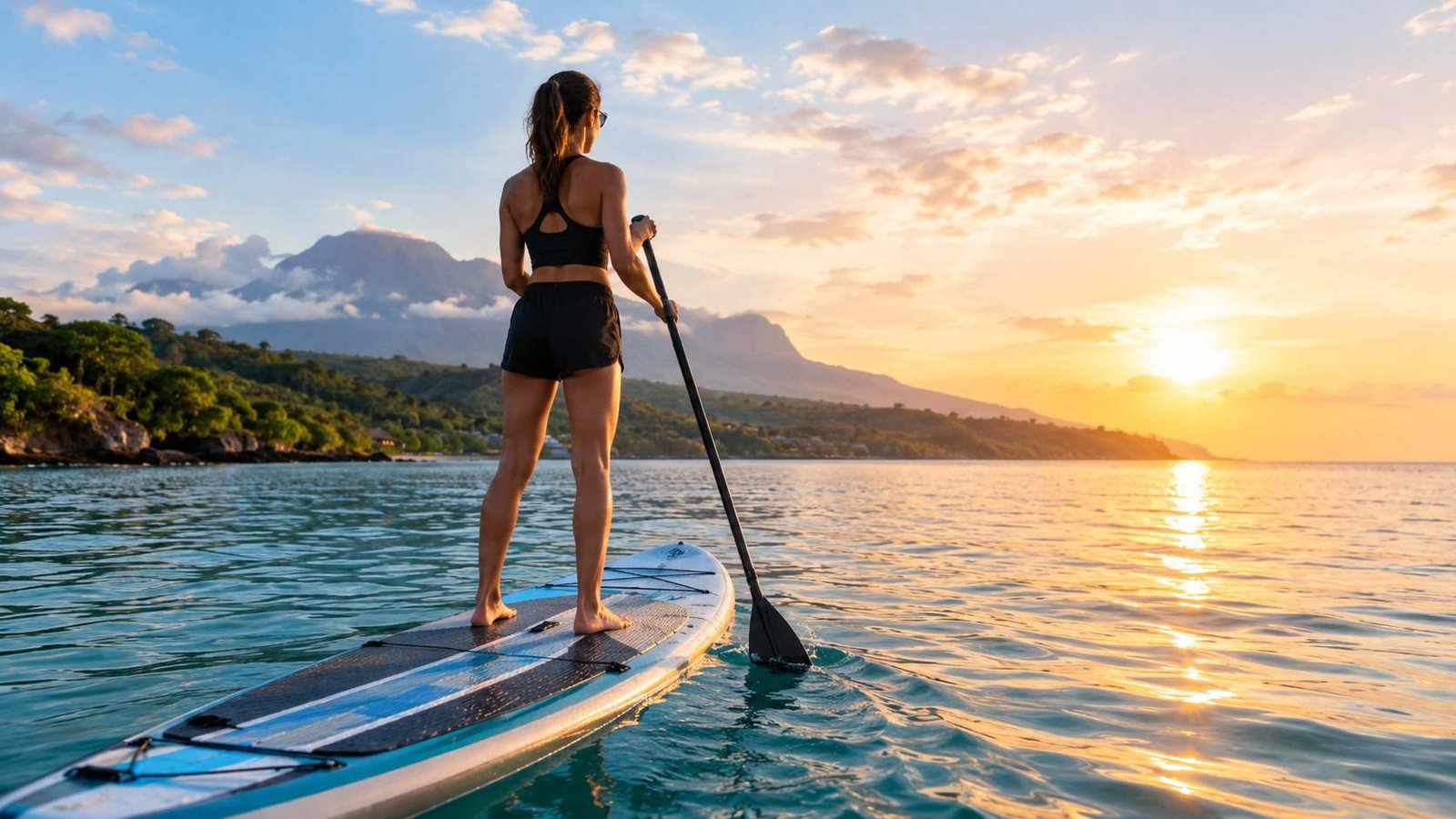
How Paddle Boarding Can Help You Unwind and Reduce Stress
Some days, you need more than a break from your usual routine.
You need an activity that gets you outdoors, encourages movement, and gives your mind something different to focus on.
That is one reason paddle boarding for stress relief appeals to people who want to combine physical activity with time in nature.
Paddle boarding will not eliminate every source of stress, and its effects vary from person to person.
However, the combination of movement, balance, fresh air, and attention to your surroundings can create a useful opportunity to unwind.
Spending Time on the Water Can Encourage Relaxation
Natural environments often provide a welcome change from busy schedules, crowded spaces, and constant digital notifications.
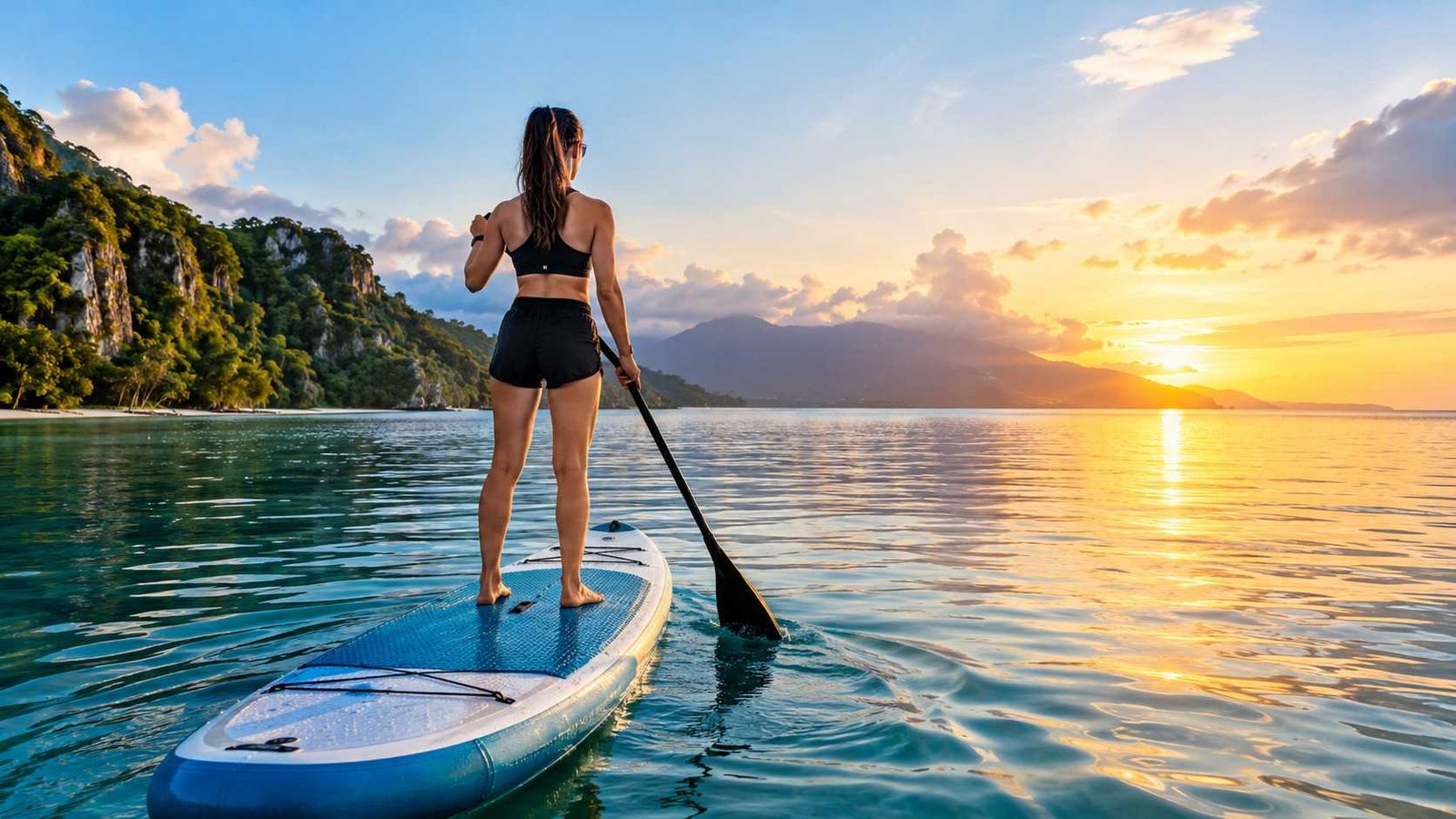
The sound of water, the movement of the board, and the open scenery can encourage you to slow down.
For some people, paddle boarding for stress relief offers a chance to step away from everyday distractions without needing to sit still or follow a formal relaxation routine.
You can focus on the rhythm of your paddle strokes, notice the movement of the water, and pay attention to the landscape around you.
These simple observations can help shift your attention away from repetitive thoughts for a while.
The experience does not need to feel dramatic to be worthwhile.
Even a short session in suitable conditions may provide a refreshing break from your usual environment.
Physical Activity Can Support Your Mood
Paddle boarding involves movement from your legs, core, shoulders, and arms.
The intensity depends on your speed, distance, board type, and the water conditions.
Like other forms of physical activity, paddling can support overall well being and may help improve mood.
Regular exercise can also contribute to better sleep and provide a constructive way to manage daily tension.
This is part of the appeal of paddle boarding for stress relief.
You can move your body while enjoying an outdoor setting, rather than treating exercise as another task on your schedule.
You do not need to paddle at high speed to experience these benefits.
A comfortable pace that matches your fitness level can make the activity more sustainable and enjoyable.
Balancing on a Paddleboard Encourages Focus
Standing on a moving board requires attention.
You need to notice your posture, adjust your weight, and coordinate your paddle strokes with the movement of the water.
This can encourage you to focus on the present moment.
Instead of thinking about every unfinished task, you may find yourself concentrating on staying balanced and moving in the direction you want.
For some people, paddle boarding for stress relief feels similar to an active mindfulness exercise.
You remain physically engaged while paying attention to what is happening around you.
However, the goal is not to force your mind to become completely quiet.
If your thoughts continue to wander, that is normal.
Simply returning your attention to your breathing, paddle strokes, and surroundings can make the experience feel more grounded.
You Can Enjoy It at Your Own Pace
Stress management does not look the same for everyone.
Some people prefer intense physical challenges, while others feel better after slower activities with fewer demands.
Paddle boarding allows you to choose a pace that fits your preferences.
You can enjoy a gentle session in sheltered water, take short breaks, or gradually increase your distance as your confidence improves.
When trying paddle boarding for stress relief, avoid turning every session into a performance goal.
You do not need to cover a particular distance, paddle faster than someone else, or master advanced techniques.
Instead, focus on enjoying the experience.
Setting realistic expectations can help keep the activity enjoyable rather than adding another source of pressure to your day.
Paddling With Friends Can Create Social Connection
Spending time with other people can also contribute to emotional well being.
A paddle boarding session gives friends or family members an opportunity to share an activity outside their usual environment.
You might enjoy talking while resting near the shore, exploring a suitable route together, or laughing about the occasional fall into the water.
For many people, paddle boarding for stress relief becomes more enjoyable when it creates opportunities for connection.
Shared activities can provide a break from routine conversations about work, study, and responsibilities.
At the same time, you do not have to paddle in a group to benefit from the experience.
Some people prefer a quieter solo session, provided they choose appropriate conditions and follow essential safety precautions.
Make Safety Part of Your Relaxing Routine
It is difficult to relax when you are worried about getting back to shore.
Choosing appropriate conditions can help you enjoy your session with greater confidence.
Check the weather, wind, and water conditions before launching.
Beginners should choose sheltered areas, wear a suitable personal flotation device, and consider learning from an experienced instructor.
Avoid dangerous surf, strong offshore winds, and thunderstorms.
Tell someone your plans if you intend to paddle away from a busy launch area.
The benefits of paddle boarding for stress relief are easier to enjoy when you match your activity to your ability.
You should finish feeling that you have had a positive experience, not that you pushed yourself into an unnecessarily difficult situation.
Start Your Next Outdoor Break With Priority SUP
You do not need to plan an elaborate trip to enjoy time on the water.
A suitable paddle boarding session can give you a reason to step outside, move your body, and reconnect with your surroundings.
Priority SUP helps make paddle boarding more accessible for your next Bali adventure.
If you need equipment for a session, explore SUP board rentals in Bali and plan your outing around suitable conditions.
If you discover that paddling fits your lifestyle, you can also shop stand up paddle boards and explore options for future sessions.
Ultimately, paddle boarding for stress relief is about making room for movement, nature, and a different kind of focus.
Start at your own pace, enjoy the experience, and make Priority SUP part of your next opportunity to unwind.
active mindfulnessadventure therapybalance and focushealthy lifestylemental health outdoorsmind body wellnessnature therapyocean therapyoutdoor fitnessoutdoor relaxationpaddle boardingpaddle boarding lifepaddleboard balipriority supstand up paddlestress relief activitysup for stress reliefsup rentals baliwater sportswater wellness
Artikel Terkait